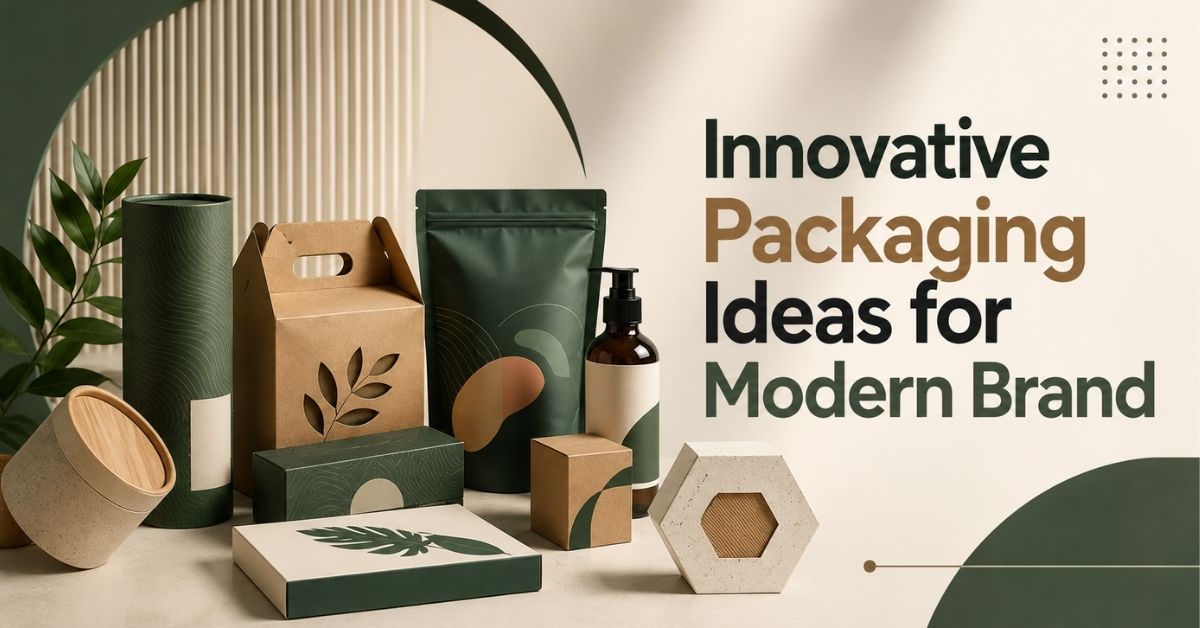
Packaging isn’t just a box anymore. It’s often the first real, physical moment a customer has with a brand, and that moment shapes how they feel about everything that follows. Open a parcel that feels thoughtful, and you trust the product inside a little more before you’ve even touched it. As Packaging Industries in Chennai expand and compete harder for attention, businesses are rethinking materials, design, and function all at once instead of treating them as three separate problems to solve. Rising costs, sustainability expectations, and customers who simply notice more than they used to are pushing this change forward. In this blog, we will take a closer look at how modern brands are reshaping packaging to stay relevant, responsible, and genuinely memorable.
Why Packaging Design Matters More Than It Used To
Ten years ago, packaging did one job: protect the product. That’s it. Now it carries brand identity, hints at company values, and frequently ends up as content on someone’s Instagram story during an unboxing. People decide how they feel about a package within seconds of seeing it, and that snap judgment quietly colors how much they trust what’s inside.
Companies that once saw packaging purely as a line item on an operations budget are starting to treat it as marketing instead. That mental shift alone has opened up space for ideas that simply weren’t on the table before.
Eco-Friendly Packaging Has Stopped Being Optional
Buyers are asking harder questions these days about where materials actually come from and what happens to them once the product is unpacked. Eco-friendly packaging used to be a bonus feature; now it’s something customers look for by default, particularly in food, cosmetics, and retail. Recycled cardboard, biodegradable fillers, water-based inks, these aren’t experimental choices anymore. They’re becoming standard.
Some companies have taken it further and rebuilt entire supply chains around reusable containers. Others went the simpler route, stripping out extra layers that added cost but never added value. Either way, the packaging that comes out the other end feels lighter, not just in weight but in the footprint it leaves behind, without giving up on protecting whatever’s inside.
Smart, Functional Design Is Quietly Winning
Function is becoming the real competitive edge, even if most customers never consciously notice it. Resealable pouches. Tamper-evident seals. Modular boxes that flex to fit different product sizes instead of forcing everything into the same shape. Small changes, but they cut waste and make life easier for the person opening the box.
A few practical examples worth mentioning:
- Foldable inserts that remove the need for extra packing material altogether
- QR codes printed right on the box, linking to usage guides or the brand’s story
- Compact structures that shrink shipping volume and, with it, transport emissions
None of these show up in a highlight reel. They just quietly save money and reduce waste behind the scenes, which is exactly why they matter.
Custom Branding Without Trying Too Hard
There’s a real difference between packaging that stands out and packaging that’s trying way too hard to. A lot of brands are figuring out that restraint says more than excess ever could. One clean typeface, a consistent color palette, a logo placed with intention rather than everywhere it fits, that’s often enough.
Custom printing has also gotten a lot more accessible. Short print runs no longer mean giving up on premium finishes, so even smaller businesses can now access things like matte lamination or spot UV without needing warehouse-sized order volumes.
Modern Packaging Solutions Built Around Real Protection
No matter how creative the design gets, protection still isn’t negotiable. That’s just the job packaging has to do. Modern packaging solutions now pair lighter overall structures with smarter cushioning, so the product survives the journey without the box feeling heavier or bulkier than it needs to be.
Foam-based protective layers, corrugated inserts, precision-cut padding shaped for the product rather than a generic size, these are becoming the norm rather than the exception. And when padding is built around the actual shape of what’s inside, damage drops and so does the material waste that comes from forcing everything into a one-size-fits-all box.
Where This Is All Heading
The direction seems fairly obvious at this point. Packaging is shrinking in physical footprint while growing in impact, both for the environment and for how well a brand sticks in someone’s memory. Businesses that moved early on this are already seeing it show up in customer retention and lower logistics costs.
Hybrid materials are also gaining traction, ones that hold onto the strength of traditional plastics while borrowing the biodegradability of newer alternatives. It’s still an evolving space, honestly, and packaging that looks unusual today may well be the standard a few years from now.
At Total Packaging Solutions, we’ve had a front row seat to this shift, working alongside brands across different industries that want packaging to do more than just hold a product together. Our approach mixes practical engineering with an eye for design, because we don’t think protection and presentation should be fighting each other. Custom cushioning, sustainable materials, precision-cut inserts, whatever the product actually calls for, that’s what we build around. And for businesses that need dependable protective materials, our work as Foam Manufacturers in Chennai reflects the same thinking we bring to every project we take on: packaging should be smart, sustainable, and built to last.