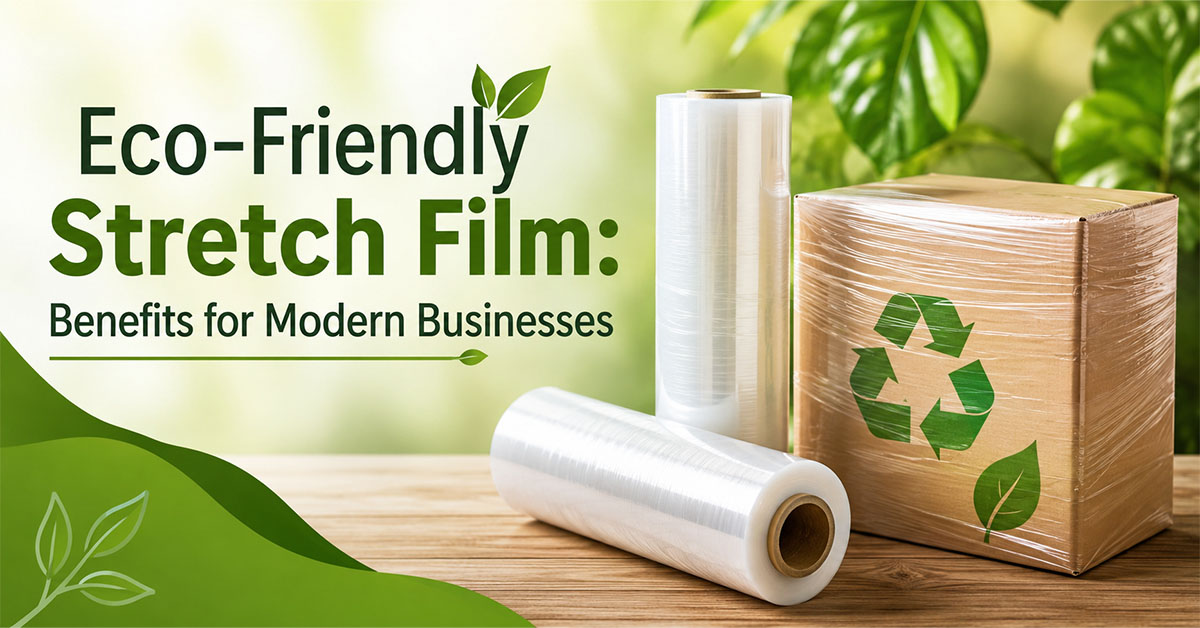
Walk into any warehouse, and you’ll see it: pallet after pallet wrapped tight in plastic film, most of it destined for a landfill within days of arriving. That’s been the norm in industrial packaging for decades. But the calculus is shifting fast, and a growing number of manufacturers are switching to eco-friendly stretch film without giving up the strength or reliability their supply chains depend on. It’s part of why more procurement teams are asking their stretch film suppliers in Chennai about recyclable options before renewing existing contracts. For businesses that ship in volume, this isn’t a minor tweak. It’s a real change in how much waste ends up leaving the building alongside the product.
Why This Shift Is Happening Now
A few forces are pushing this change at the same time. Customers are asking more questions about where materials come from. Regulations around plastic waste are tightening in several states. And frankly, the cost of doing nothing keeps climbing as landfill fees and raw material prices both rise.
Manufacturers who moved early aren’t just checking a compliance box either. Many have found that switching materials actually improved parts of their operation they weren’t expecting to touch.
- Lower material use per load. Modern films are engineered to stretch further while using less raw plastic, so you use fewer rolls to wrap the same volume of pallets.
- Reduced disposal costs. Less film waste means smaller bins to empty and lower fees at the end of the line.
- Better brand perception. Buyers, especially in automotive and FMCG, increasingly factor sustainability into vendor selection.
- Compliance readiness. Having recyclable materials already in place means fewer scrambles when regulations tighten further.
What Makes a Stretch Film Actually Eco-Friendly
Not every product labeled “green” packaging holds up to scrutiny, so it helps to know what actually separates a genuinely sustainable film from ordinary film with a new sticker on the box.
Genuine eco-friendly options are usually built around one or more of these traits:
- Recyclable base resin. True recyclable stretch film is made from a single, easily identifiable plastic type so recycling facilities can process it without extra sorting steps.
- Reduced gauge without losing strength. Thinner films that still hold pallet loads securely cut plastic consumption directly, sometimes by 20 to 30 percent per roll.
- Recycled content. Some films incorporate post-industrial or post-consumer recycled resin into the mix, lowering the demand for virgin plastic.
- Biodegradable additives. A smaller segment of the market uses additives designed to speed up breakdown in landfill conditions, though this varies a lot by manufacturer.
Recyclable stretch film in particular has become the most practical entry point for businesses making the switch, since it doesn’t require retooling existing wrapping equipment. The film goes on the same machines, wraps the same way, and comes off looking no different to the person handling it on the dock.
The Business Case, Not Just the
Environmental One
It’s tempting to frame this purely as a sustainability story, but the numbers matter just as much to a plant manager watching the budget. Switching to a thinner, high-performance film often means fewer rolls purchased per month even before accounting for any waste reduction savings. That adds up quickly across a facility running multiple shifts.
There’s also the labor side of things. Films engineered for better cling and stretch reduce how often workers need to double-wrap a load to get it secure, which shaves time off every pallet that goes out the door. Small savings per pallet turn into meaningful numbers once you’re wrapping hundreds a day.
Damage claims tend to drop too. A film that holds its tension properly protects goods from shifting during transport, which matters a great deal to industries like automotive and electronics where a single damaged shipment can cost far more than the packaging that failed to protect it.
Flexible Packaging Film and the Bigger
Sustainability Picture
Stretch film doesn’t operate in isolation. Most manufacturers are also rethinking flexible packaging film across their broader operation, from the covers protecting components in transit to the sleeves wrapped around finished goods before they leave the warehouse.
The logic carries over from stretch film almost directly. Thinner, better engineered flexible packaging film uses less material to do the same job, and when it’s built from recyclable resin, it fits into the same waste stream as the stretch film wrapped around the pallet it’s sitting on. For companies serious about hitting sustainability targets, treating these materials as one connected system, rather than separate line items, tends to produce better results than tackling them one at a time.
This is also where working with an established supplier pays off. Sourcing consistent, quality film across both categories from a single partner cuts down on the back and forth of managing multiple vendors with different specs and different sustainability claims.
What to Ask Before You Switch
If you’re considering a move to greener packaging materials, a few questions are worth putting to any supplier before you commit.
- Is the film’s recycled or recyclable content backed by test data, not just marketing language?
- Will the film run on your existing wrapping equipment without adjustments?
- What is the actual reduction in film usage per pallet compared to what you’re using now?
- Does the supplier offer batch consistency, so film performance doesn’t vary roll to roll?
- Can they support your volume as you scale, not just a pilot run?
- Is the recyclable stretch film certified by a recognized body, or is it a self-declared claim with nothing behind it?
Getting straight answers to these questions upfront saves a lot of back and forth later, especially once a facility has already committed to a full changeover and discovers the film doesn’t hold up under actual line speeds.
Businesses in and around Chennai looking for answers to these questions often turn to established stretch film suppliers who can walk through actual test results rather than general claims. It’s worth asking to see a sample run on your own equipment before switching your entire operation over.
Making the Transition Without
Disrupting Operations
Switching packaging materials sounds simple on paper but can create friction if it isn’t planned properly. A phased rollout tends to work better than an overnight switch.
Start with one product line or one shift and measure the results directly: film usage per pallet, load security during transit, and any change in damage claims over a month or two. Once the numbers hold up, expanding to the rest of the facility becomes a much easier internal conversation, particularly with procurement teams who need proof before signing off on a full changeover.
It also helps to loop in the warehouse team early. They’re the ones handling the film daily, and their feedback on cling, tear resistance, and ease of use often catches issues that don’t show up in a supplier’s spec sheet.
Final Thoughts
Packaging waste isn’t going away as a business concern, and stretch film happens to be one of the easiest places to make a real dent in it. The materials have caught up to the demand, so businesses no longer have to choose between protecting their shipments and reducing what ends up in a landfill. For companies weighing their options, working with experienced packaging material manufacturers in Chennai gives you access to tested formulations and the technical support needed to make the switch smoothly rather than by trial and error. Eco-friendly stretch film has moved from a niche request to a standard expectation, and businesses that adapt early tend to be the ones setting the pace for everyone else in their supply chain.